Percorsi del Museo Civico di Palazzo Cuttica
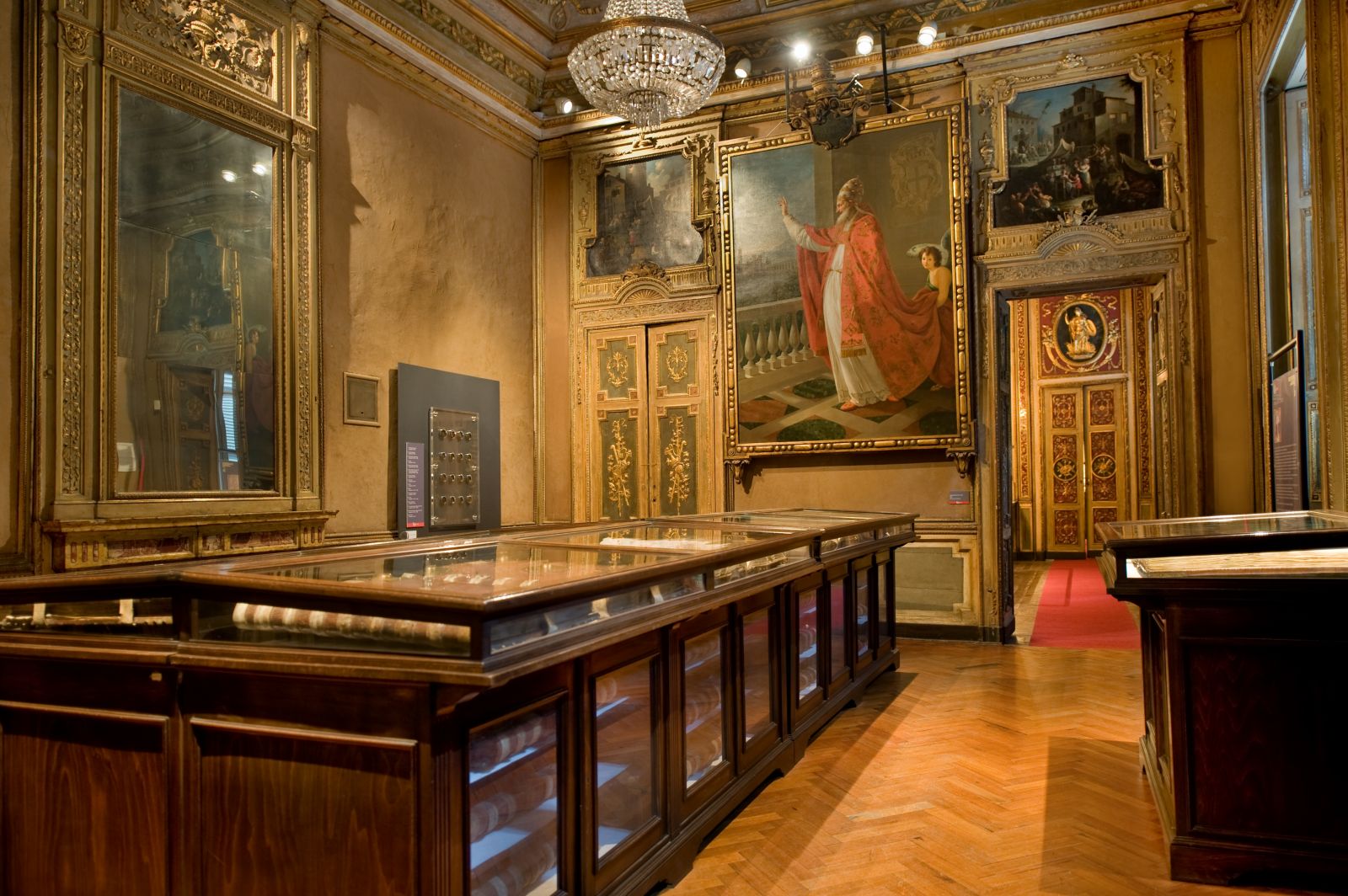
The origin of the civic museum of Alessandria dates back to 1854 when a local notary, Antonio Maria Viecha, donated his collection of paintings, sketches and drawings by the painter Giovanni Migliara to the city. In the rooms of the 18th century Palazzo Cuttica, in the heart of the city centre, visitors can enjoy the Exhibitions of the Civic Museum with a selection of works from the civic collections. Of special importance is the archaeological collection of Cesare Di Negro Carpani, a nineteenth-century collector and scholar. There are more than 1,000 exhibits, where epigraphic material from an early Christian cemetery is on display alongside funeral items from Ligurian tombs and other domestic items; this is an important collection, but also an excellent example of a private collection from the nineteenth century. One room is dedicated to the pictorial era of the sixteenth and seventeenth centuries with many important examples of sacred art from Piedmont, Lombardy and northern Italy; the Tapestry room features two precious Flemish tapestries from the late 17th century; the Napoleonic room is dedicated to the French general and to the battle of Marengo, fought close to the city of Alessandria in June 1800. The Rooms of the choir books and vestments, dedicated to the Dominican saint, Pius V, exhibit the sacred vestments and precious illuminated choir books, commissioned by the same Pope Ghislieri, the only Pope to come from Piedmont. OPENING TIMES Saturday and Sunday from 3 p.m. to 7 p.m. (on other days by appointment). Full ticket: € 5.00 Reduced ticket: € 3.00 – from 12 to 18 years of age and over 65s, university students in possession of a university card to age 30, groups of a minimum of 12 people. Free admission: journalists registered in the Order of Journalists who present their membership card, for visitors under 12 years of age, holders of Turin Museums Pass and holders of the Torino+ Piemonte card, Banca di Asti Museum voucher, disabled people and carers, group leader and teachers who accompany classes for workshops, on inaugurations/events and concerts inside the operational rooms. For more information consult the museum website. Accessibility: Secondary entrance with ramp and lift for visitors with disabilities and a bathroom for people with reduced mobility.
Information and contacts
via Parma, 1 - 15121 Alessandria (AL)
c/o Palazzo Cuttica
Telephone: +39 (0131) 234.266
Telephone 2: +39 (0131) 400.35
E-mail: serviziomusei@asmcostruireinsieme.it
Link
https://www.comune.alessandria.it/vivere-comune/luoghi/museo-civico-palazzo-cuttica
https://www.asmcostruireinsieme.it/palazzo-cuttica/
Palaces in History - Palazzo Cuttica in Cassine - Video